International Sigma Plan

Consultation with international experts is an integral part of the Sigma Plan. Transnational projects funded by European programmes such as Interreg and LIFE allow scientists, volunteers and policymakers to share their knowledge, join forces and develop new innovative techniques.

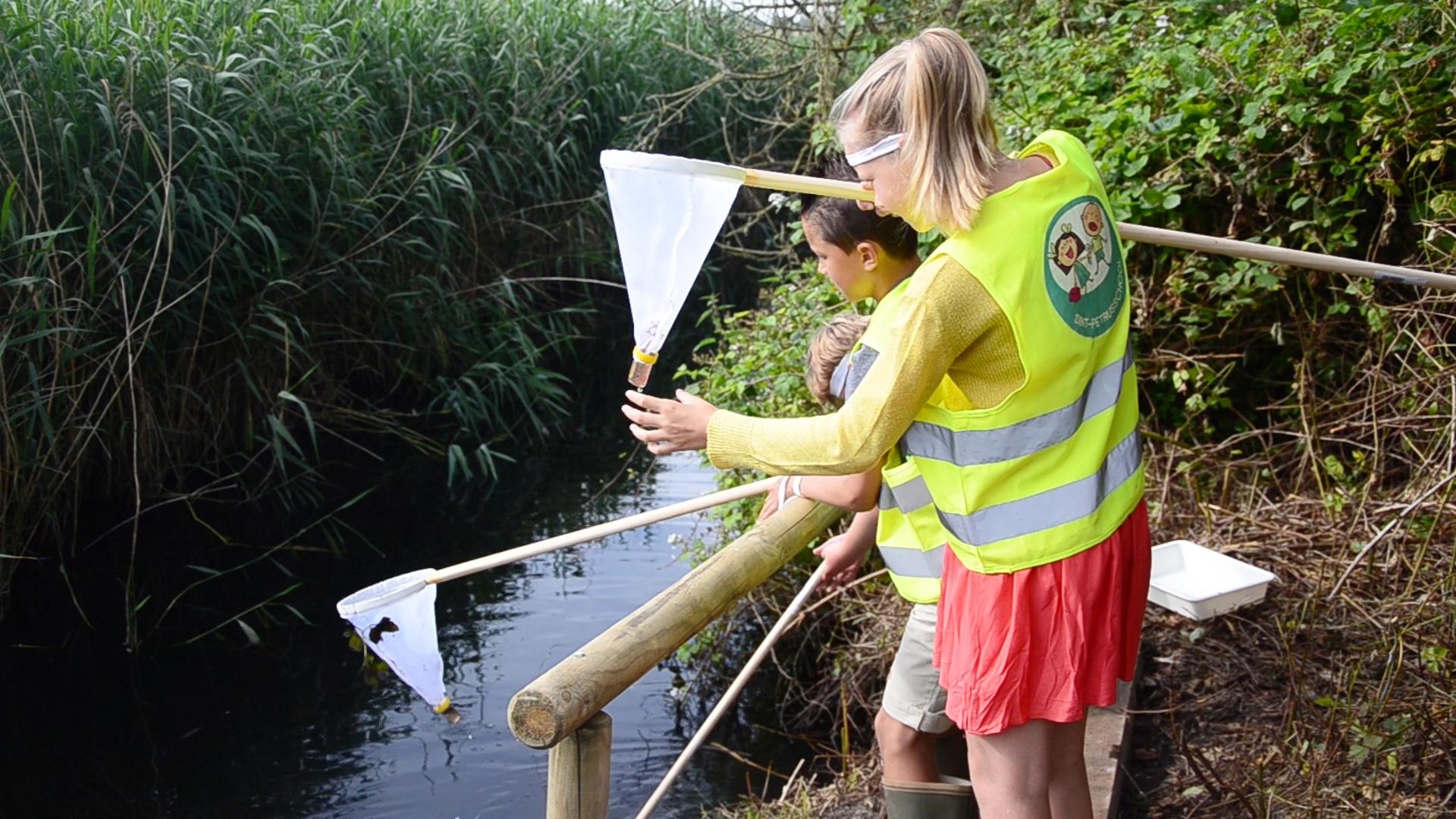
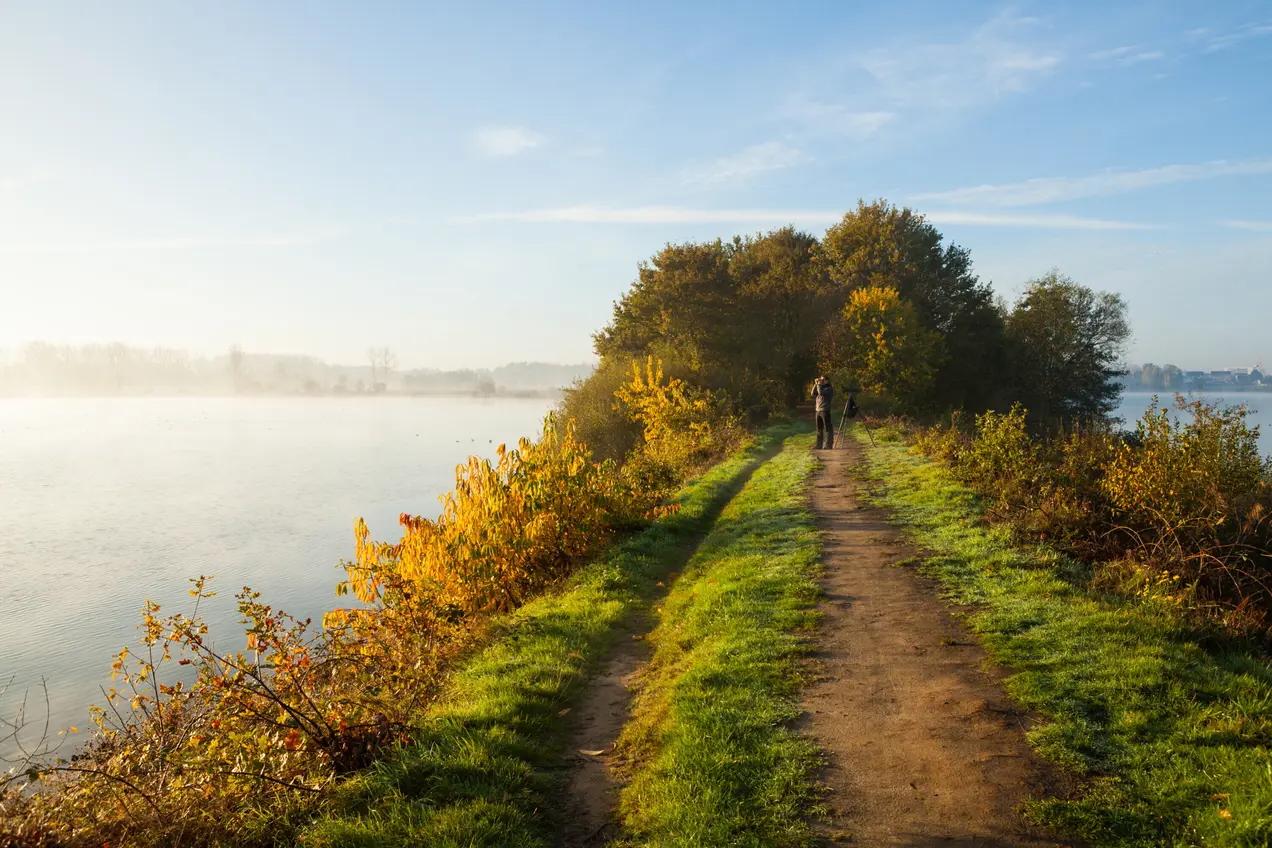
Buiten zijn is populairder dan ooit. Dat is goed voor onze gezondheid, maar zet kwetsbare natuurgebieden steeds meer onder druk. Ook in Vlaanderen en Nederland krijgen wetlands – zoals moerassen, beekvalleien en overstromingsgebieden – te maken met overvolle paden, afval en verstoring van biodiversiteit. Zonder een doordachte aanpak dreigt waardevolle natuur verloren te gaan. Nochtans spelen wetlands een sleutelrol in onze leefomgeving: ze bufferen water, slaan koolstof op, temperen hitte en vormen onmisbare leefgebieden voor planten en dieren. Tegelijk zijn het ideale plekken voor rust, natuurbeleving en educatie.  

Met dit project zoeken zeven Vlaamse en Nederlandse partners naar een evenwicht tussen bescherming en beleving door wetlands op een doordachte manier open te stellen via duurzame infrastructuur, verbonden wandel- en fietsroutes en samenwerking.
Image
Image

In this Interreg project, several partners aim to make the region more attractive to tourists. A network of reception points and proper infrastructure in terms of mobility, reception and accommodation facilities will enhance the region's liveability and recreational opportunities. The European programme Interreg Flanders – Netherlands approved a contribution of €5.4 million to implement this vision in practice. If we add the contributions from the project partners, over €11 million will be invested in sustainable tourism, giving the region a solid boost. Implementation of the Interreg project Groot Saeftinghe Border Park is planned from July 2023 to June 2026. The project partners are: EGTS Linieland van Waas en Hulst, the Provinces of Zeeland and East Flanders, Municipality of Beveren, Municipality of Hulst, Flemish Agency for Nature and Forest, Stichting Het Zeeuwse Landschap, Toerisme Oost-Vlaanderen.

Image

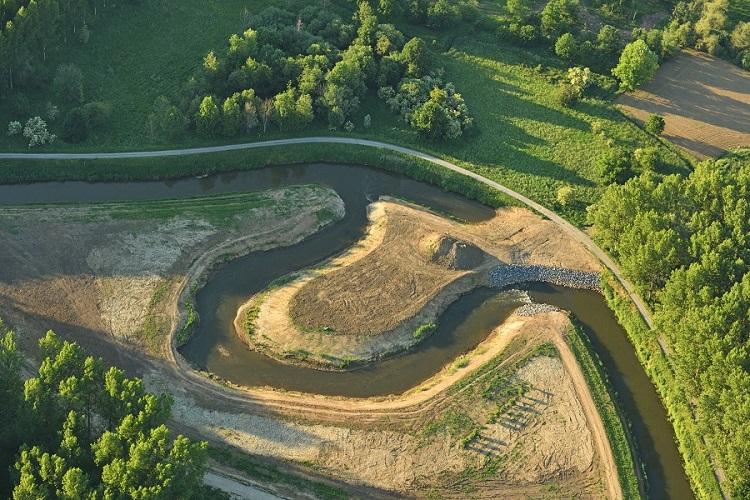
In LIFE project NARMENA, seven partners look for solutions to historical metal pollution in the soil of watercourses. We are testing two types of non-invasive, nature-based remediation methods, in which we direct the soil remediation (of watercourses) towards nature conservation and water storage. LIFE Narmena is cooperating with the Sigma Plan in the Kloosterbeemden area. LIFE Narmena is focusing on the techniques to clean up the metals in the flood area. The Kloosterbeemden area contains cadmium and arsenic. For example, the Winterbeek estuary is being redeveloped as a habitat for the great bittern and western marsh harrier. Re-meandering and the creation of barriers and a breach will also direct the Demer water flowing from the south towards the area at high water levels. This will raise the water level of the Demer when the weather is dry, which really helps to address the drought issues in this valley.

Image

Over the years, the river Demer has been turned into a canal. This made transport on the river more time-efficient but has made the Demer Valley far more susceptible to flooding. This is countered by reconnecting 30 old Demer meanders to the river. In 2018, De Vlaamse Waterweg nv and the Flemish Agency for Nature and Forest launched a pilot project in preparation of the re-meandering. One Demer meander, to the east of Zichem, was reconnected in 2019. We have monitored that meander closely for three years. The pilot project is supported by the European LIFE Belini project.

Image
Image

The LIFE project 'Space for Adapting the River Scheldt to Climate Change' (Sparc) covers the territories of Dendermonde, Bornem, Hamme, Waasmunster and Temse. Agentschap Natuur en Bos (Agency for Nature and Forest) is working together with De Vlaamse Waterweg nv, Regionaal Landschap Schelde-Durme and Flanders Hydraulics Research on this project to complement the efforts of the Sigma Plan and protect the Scheldt Valley even more effectively.
SPARC consists of four pillars: space for the river, nature development, knowledge sharing, and communication and outreach.
The SPARC budget is €8,525,800, including the grant from the EU's LIFE programme

Image

LIFE+ project Scalluvia is collaborating with its partners – the Flemish Agency for Nature and Forest, De Vlaamse Waterweg nv, Kruin and the Municipality of Kruibeke – to support a rare piece of river nature in the Polders of Kruibeke: an alluvial forest. Thanks to the Scalluvia project, the forest is restored to its former glory and promoted to nature lovers and local residents alike. The targeted actions for the alluvial forest and creeks in the Polders will eventually lead to a comprehensive nature conservation plan. With all kinds of events, such as guided walks and art projects, Scalluvia is also increasing social support for the Polders of Kruibeke.
 

Image

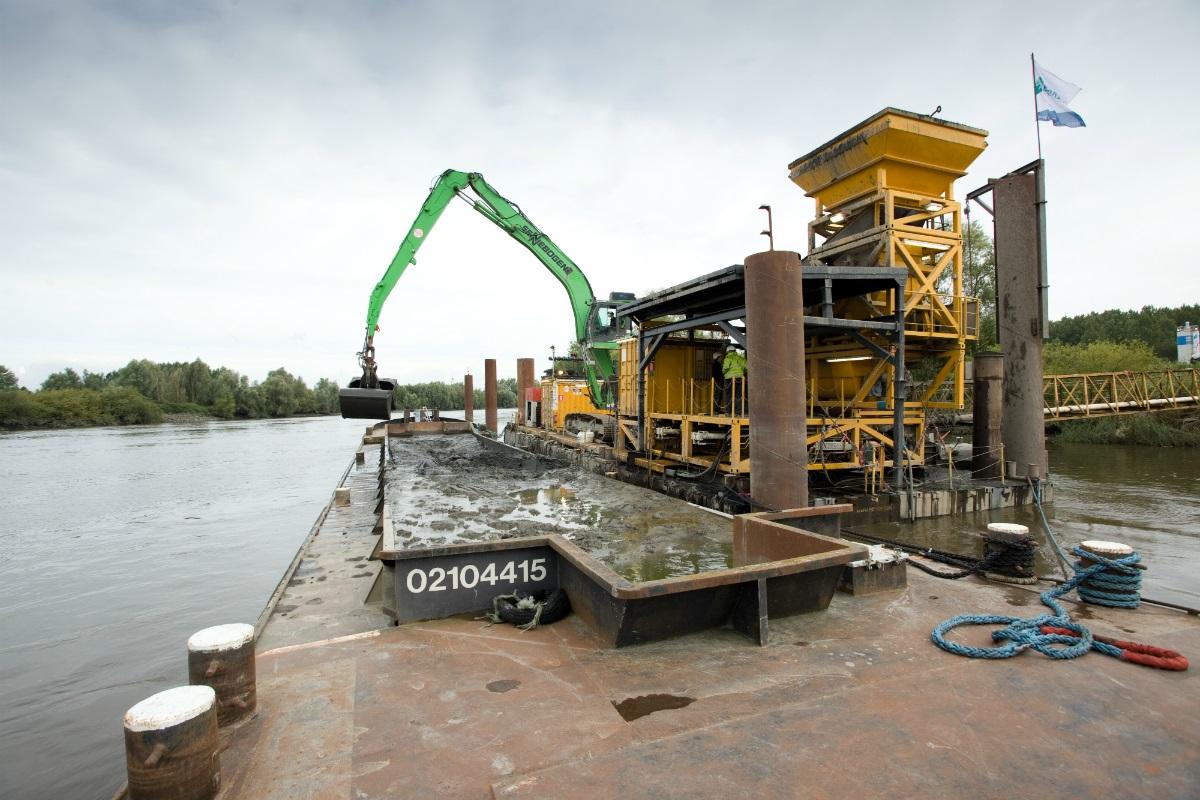
De Vlaamse Waterweg nv joined forces with partners from France, the Netherlands and the UK in USAR (Using Sediment As a Resource) to develop techniques for the beneficial reuse of dredge spoils. A pilot project ran in the Durme Valley.
Reusing dredge spoils as a secondary raw material allows savings to be made on primary raw materials such as sand and clay. Combining dredging and levee projects is also more efficient and causes less disruption.

Image

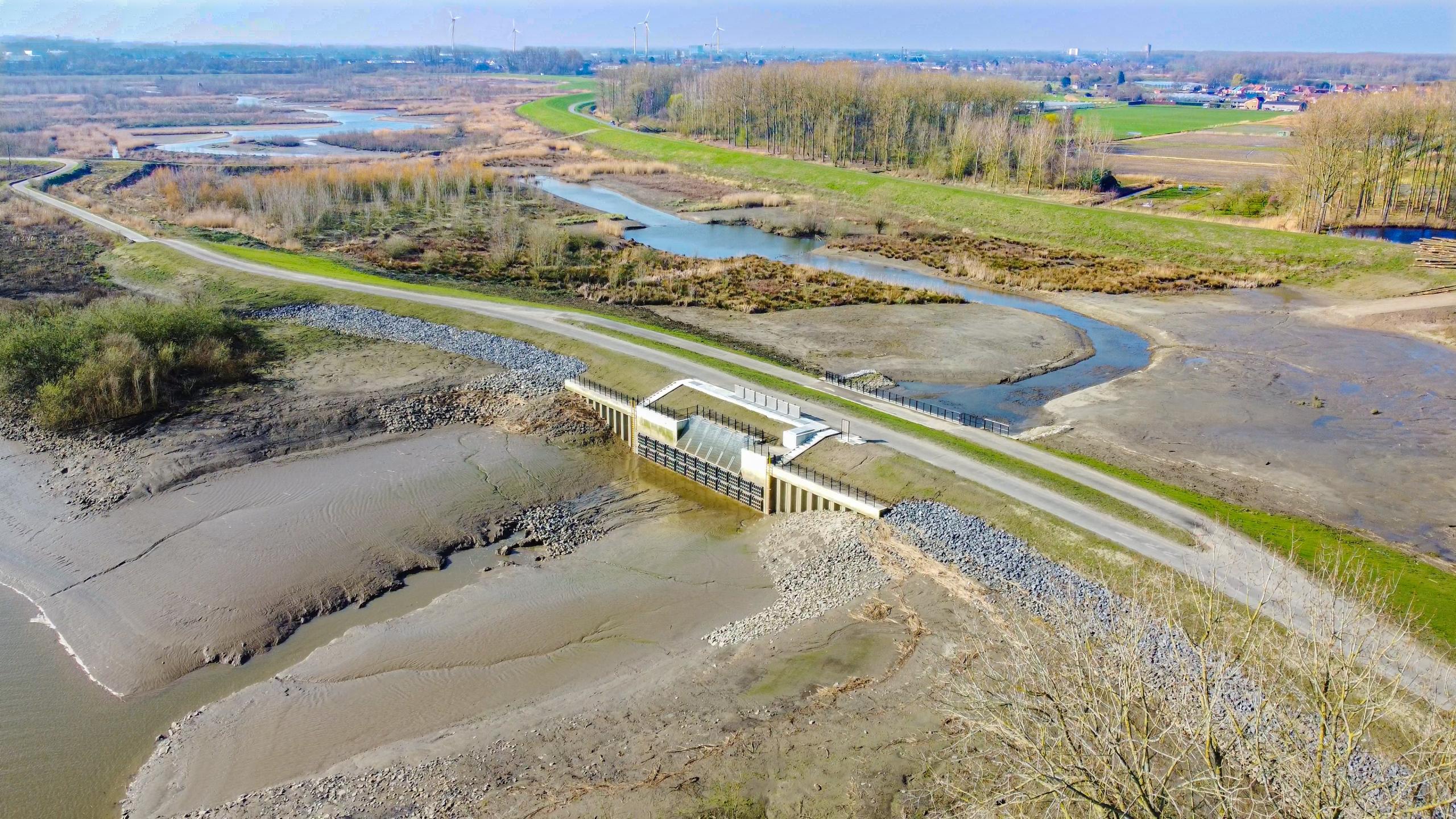
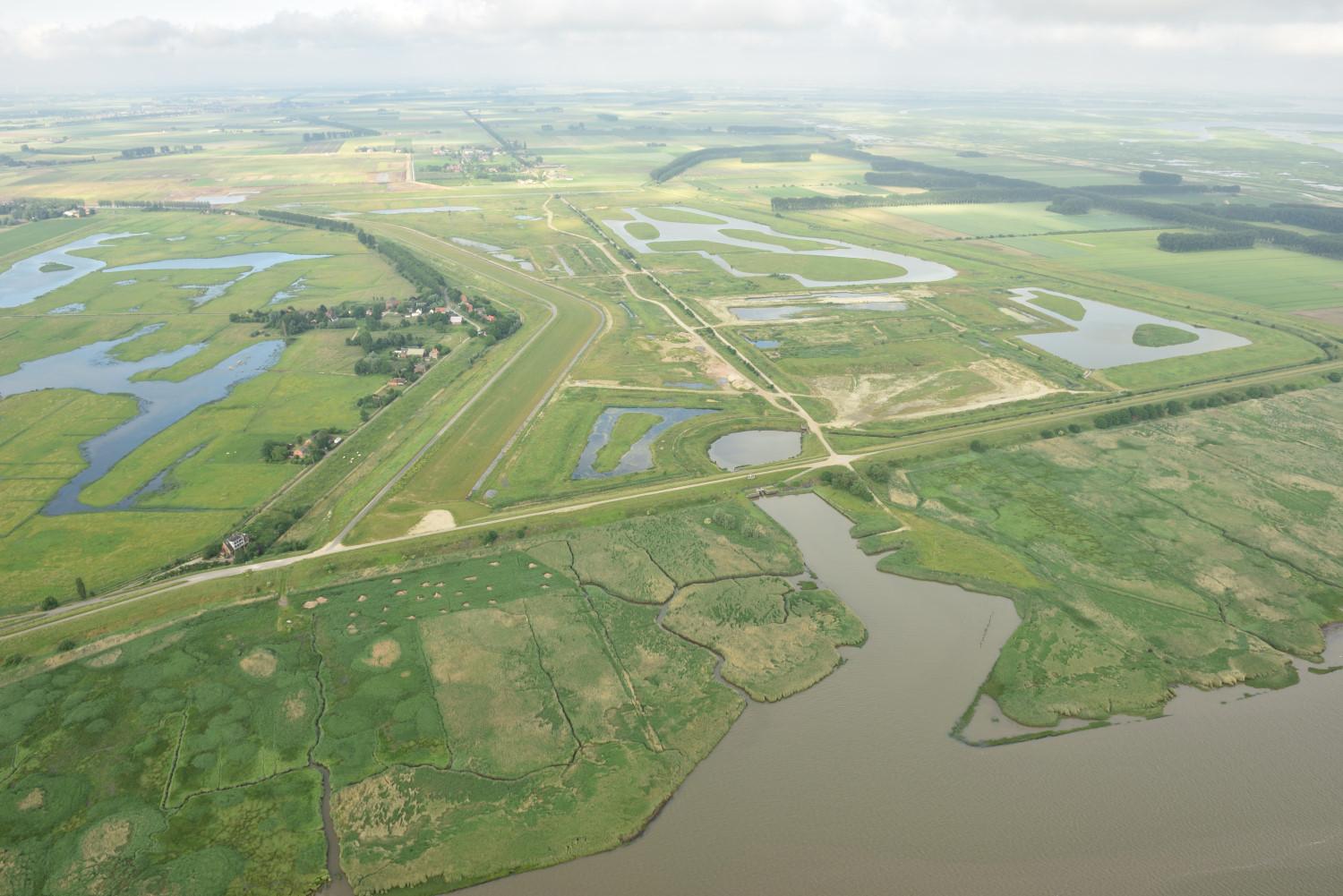
One of the largest tidal nature reserves in Western Europe is in the making on the border between Flanders and the Netherlands. Groot-Saeftinghe Border Park is a big nature development area that will connect Drowned Land of Saeftinghe with the Hedwige-Prosper project, Doel Polder, South Prosper Polder and Nieuw-Arenberg Polder. This will create a contiguous, natural core of about 4,500 hectares. The ecological value of such a vast green core is far greater than that of many fragmented areas. In addition to the robust natural core, the existing nature in the municipalities of Hulst (NL), Beveren (B) and Sint-Gillis-Waas (B) are also supported.
The total cost of Groot-Saeftinghe Border Park is €2.8 million. The European Regional Development Fund (ERDF) is making €1.4 million available to develop the new landscape park.

From the United States to South Korea, and from Egypt to Chile, policymakers and water experts from more than fifty countries have visited the Sigma Plan in recent years. Its integrated approach—combining safety with nature development and recreation—has strong international appeal. Organizations working on climate adaptation and sustainable water management also see the Sigma Plan as an inspiring model. The world map illustrates just how far this interest reaches. Step by step, the Sigma Plan is growing into an international point of reference.

Image
mail

Op de hoogte blijven?
Schrijf je nu in op de nieuwsbrief.

Wil je op de hoogte blijven van het laatste nieuws over het Sigmaplan? Schrijf je dan in voor de digitale nieuwsbrief.

Schrijf me in voor de nieuwsbrief

help_outline

Any further questions?
Contact us.

If you have any questions or suggestions, get in touch and we will be happy to help.

Go to contact