Flood protection, including stabilisation and restoration of unstable, centuries-old quay wall
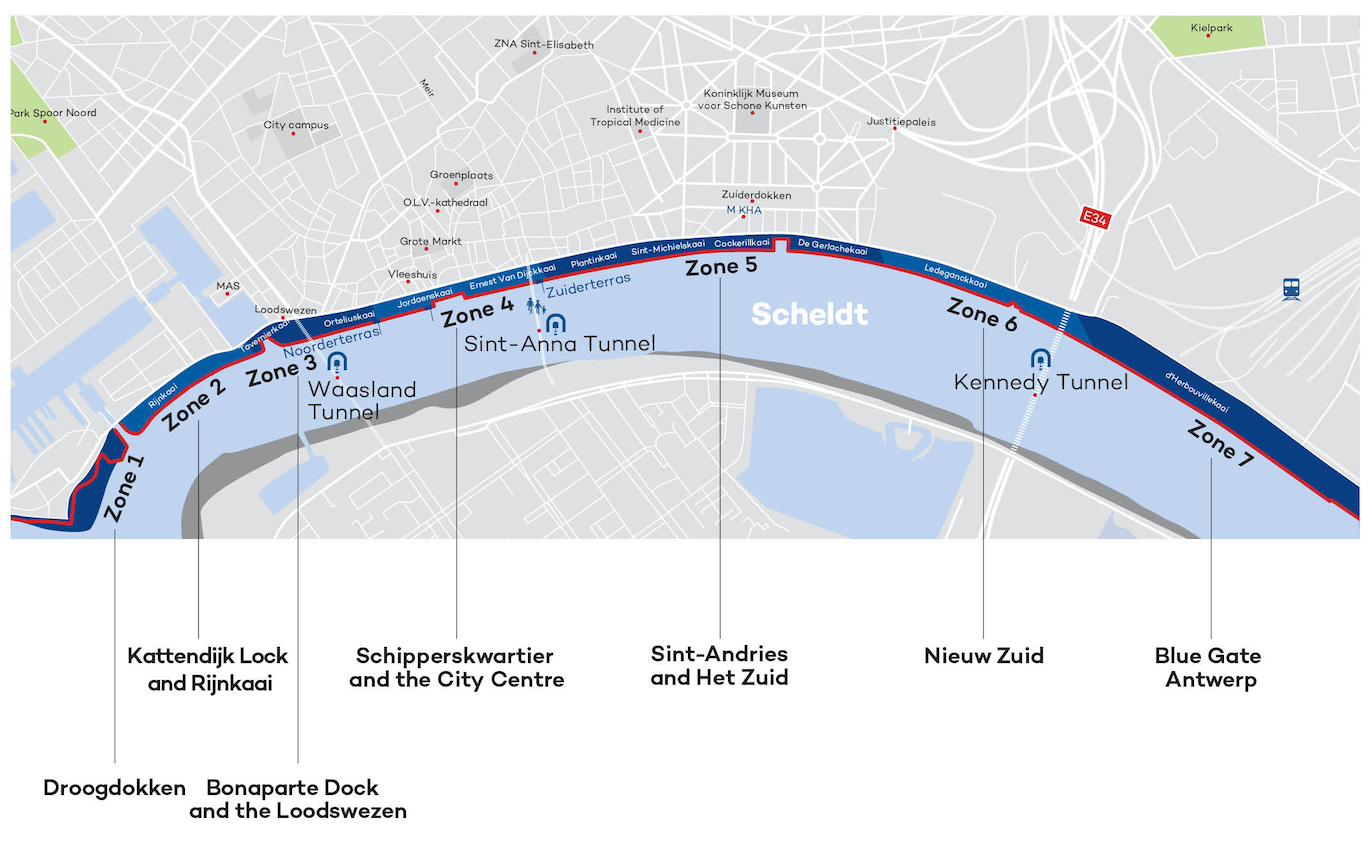
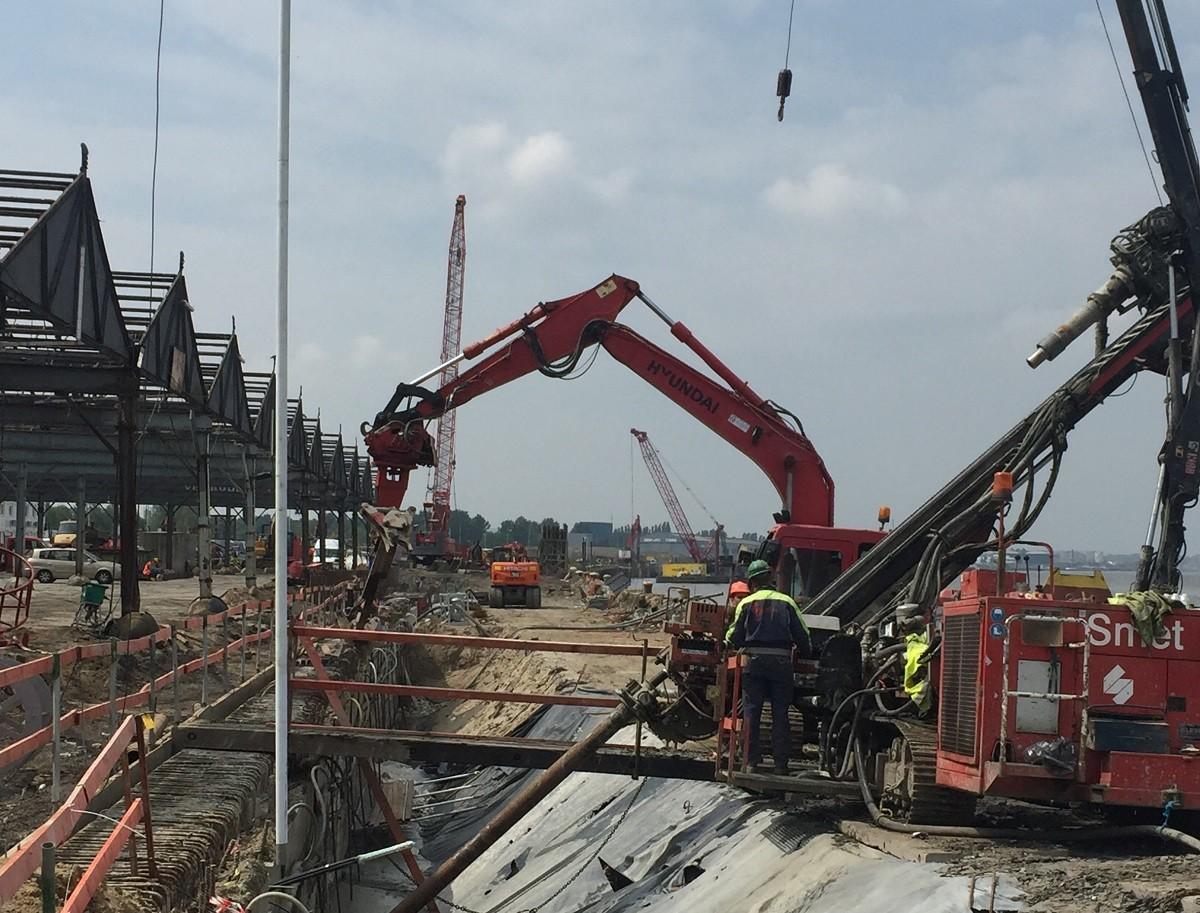
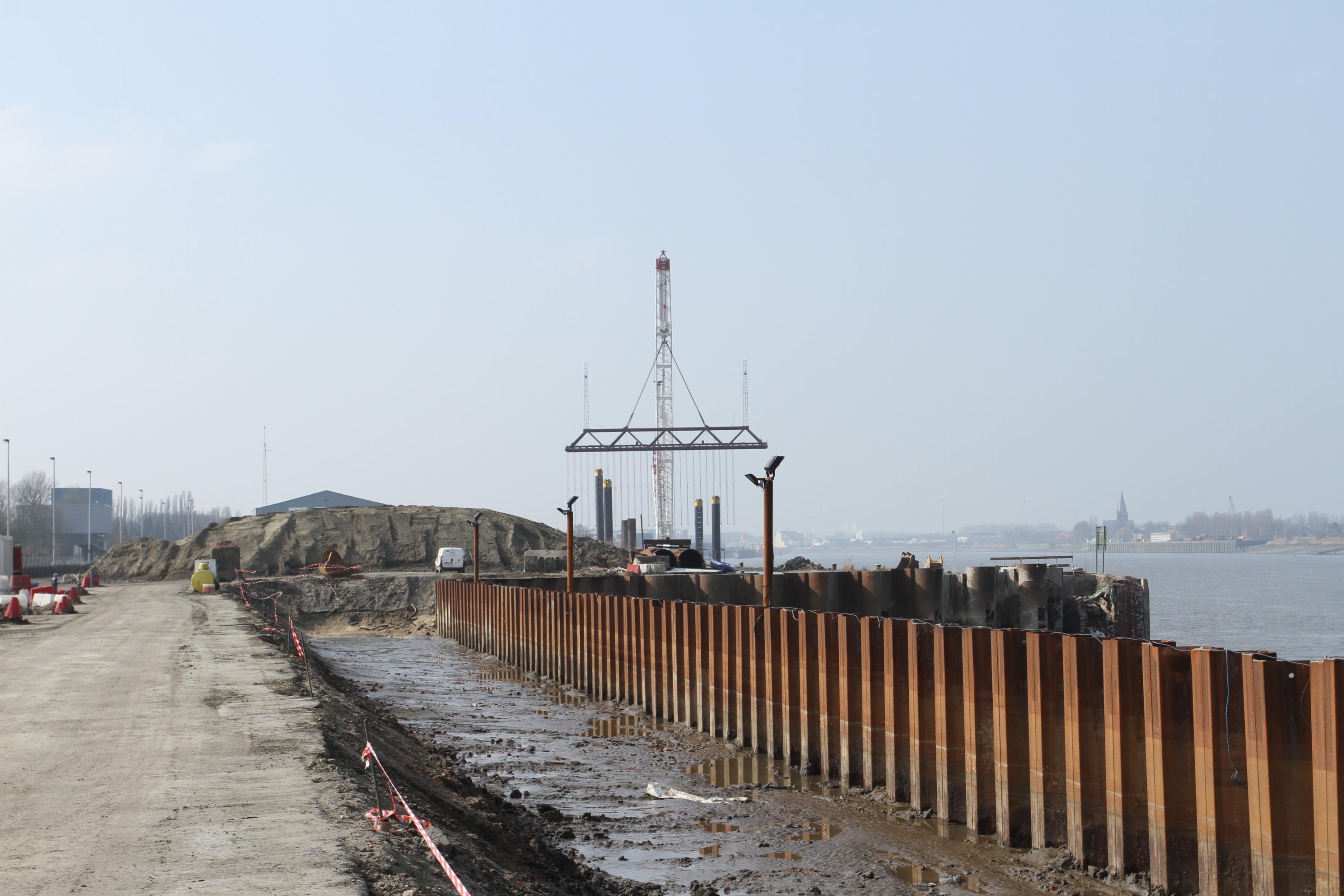
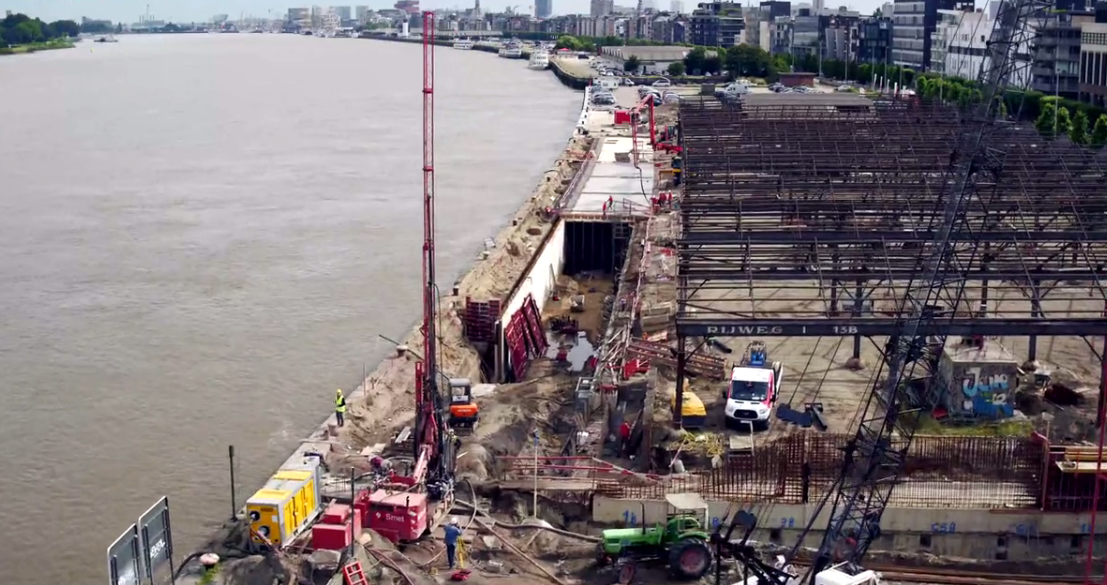
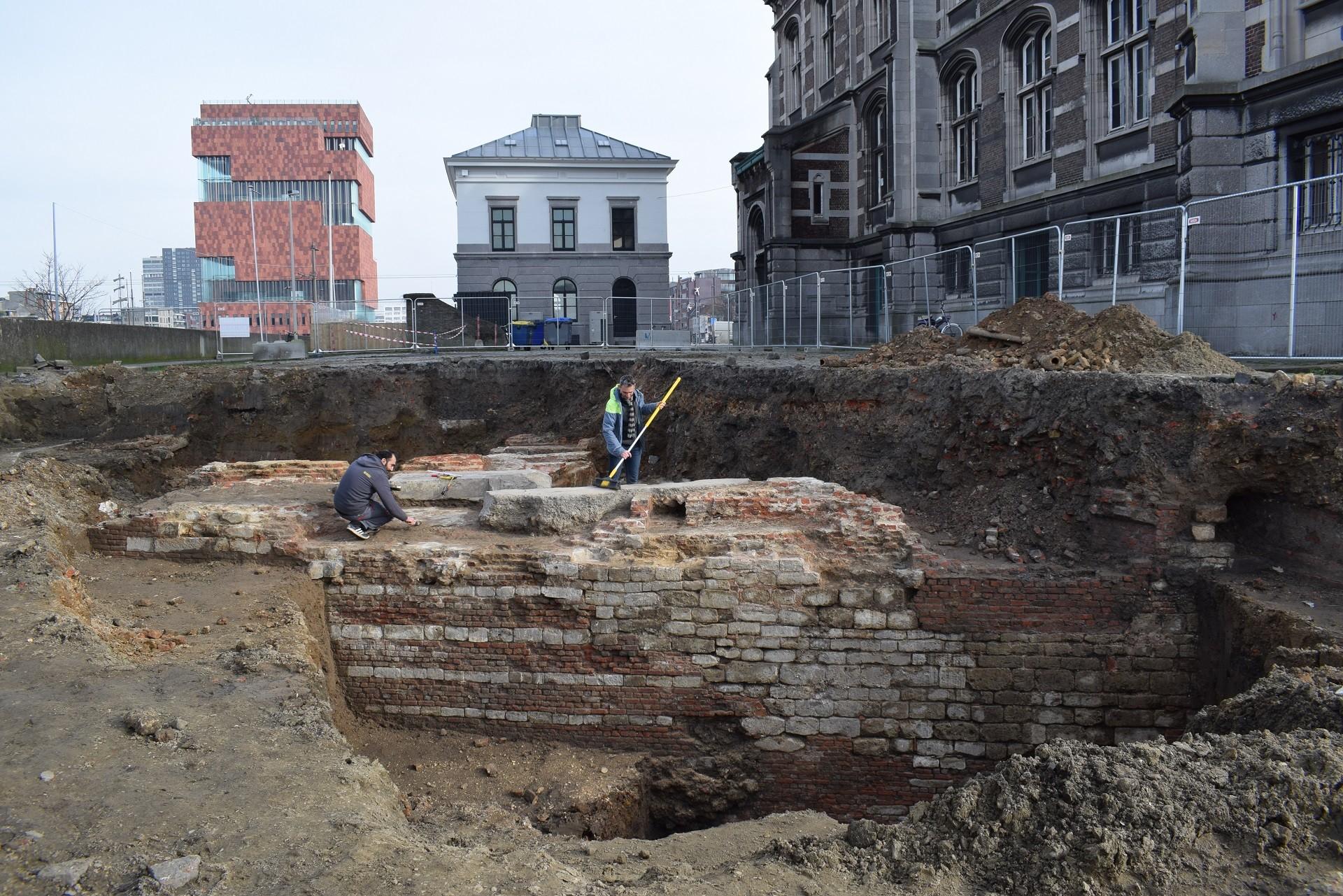
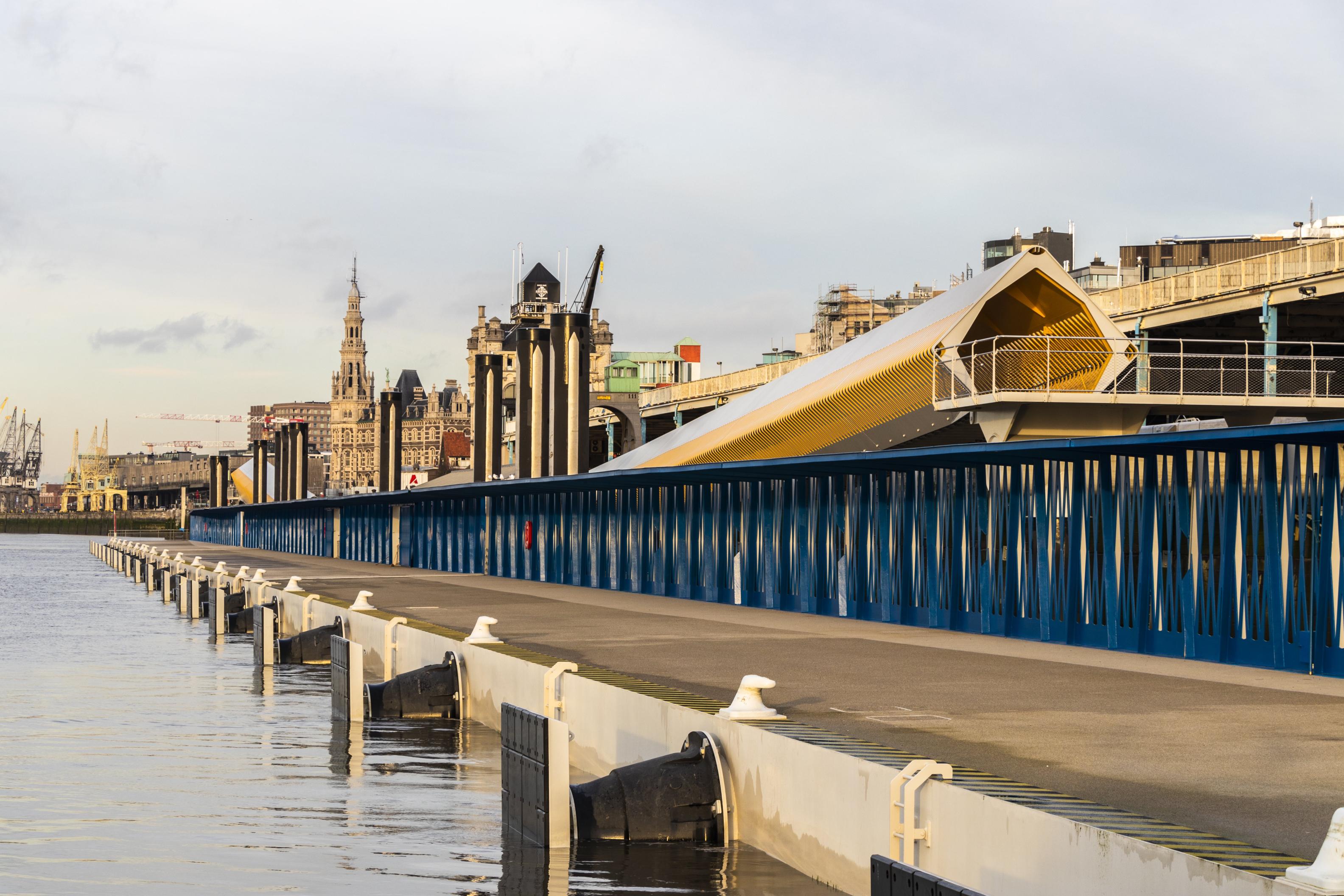
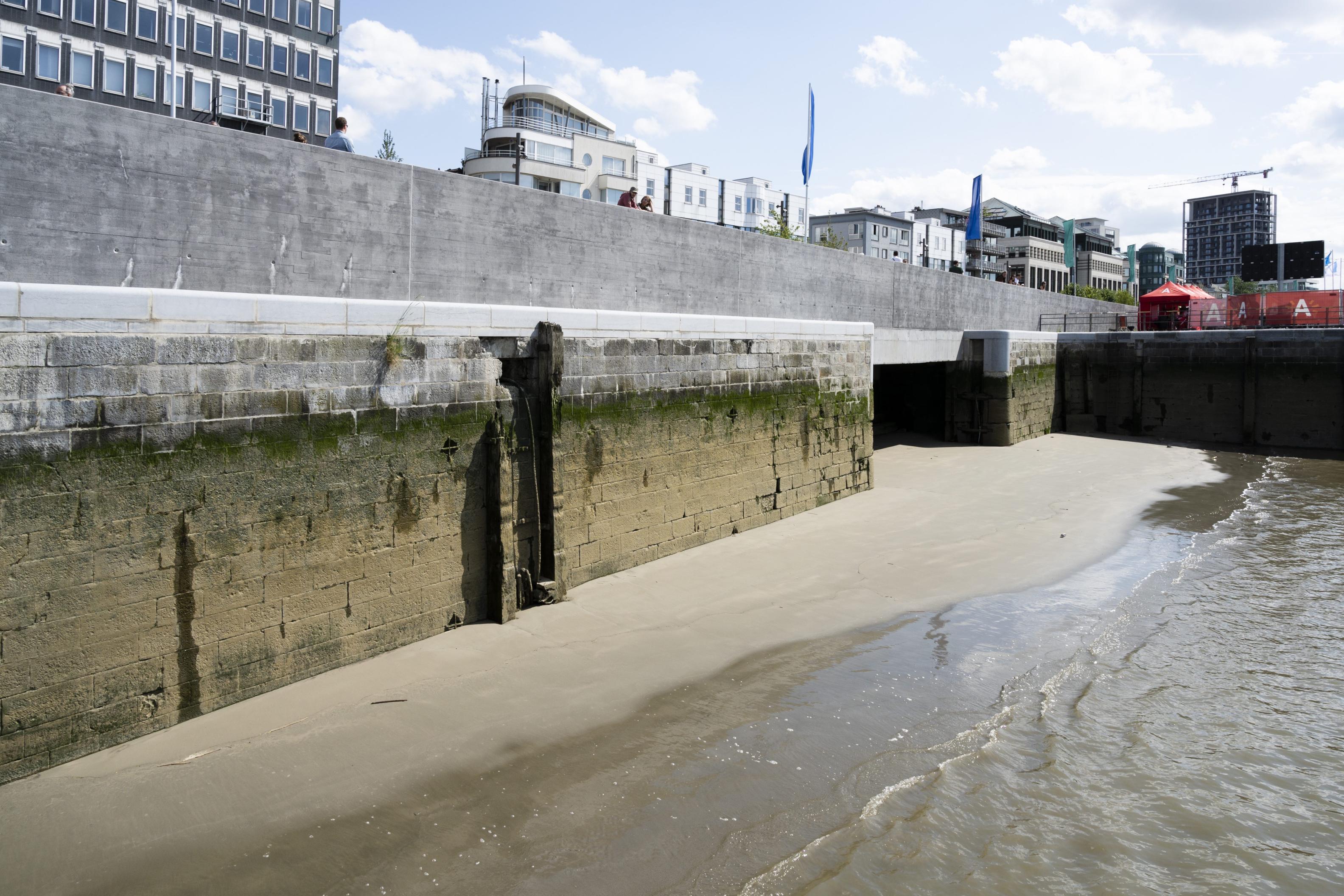
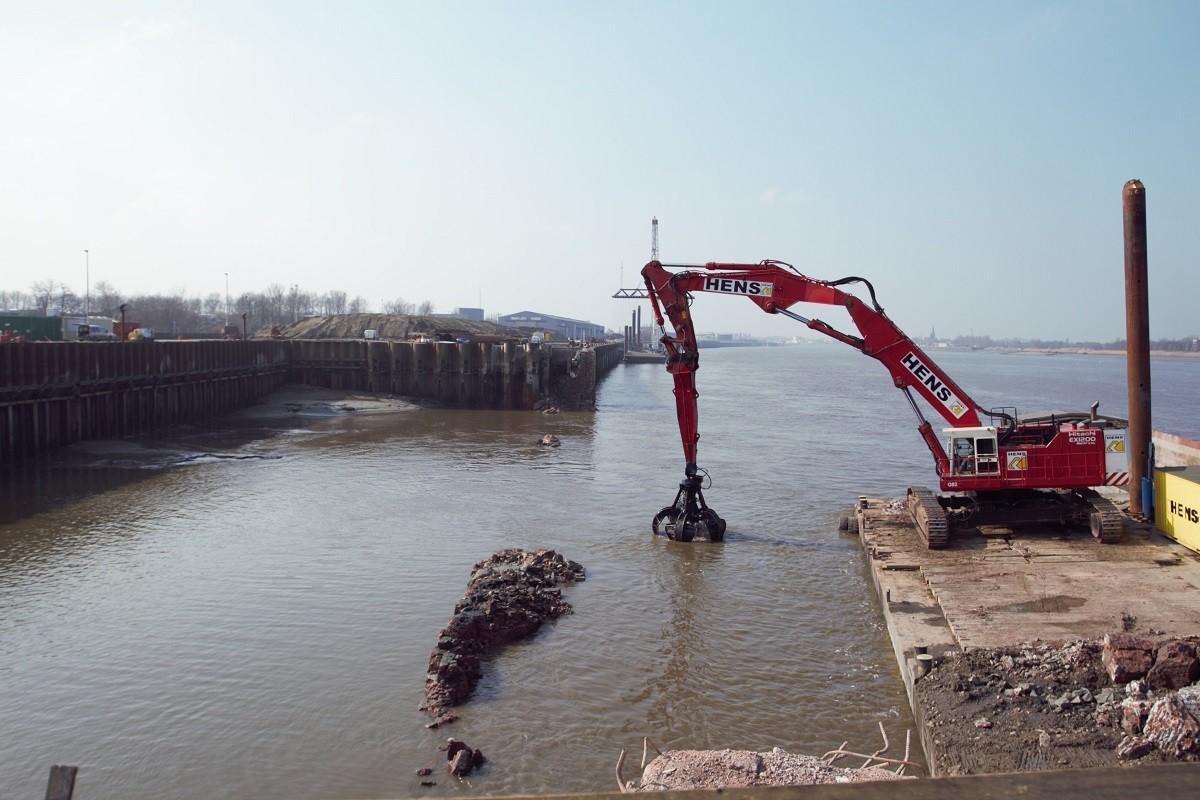
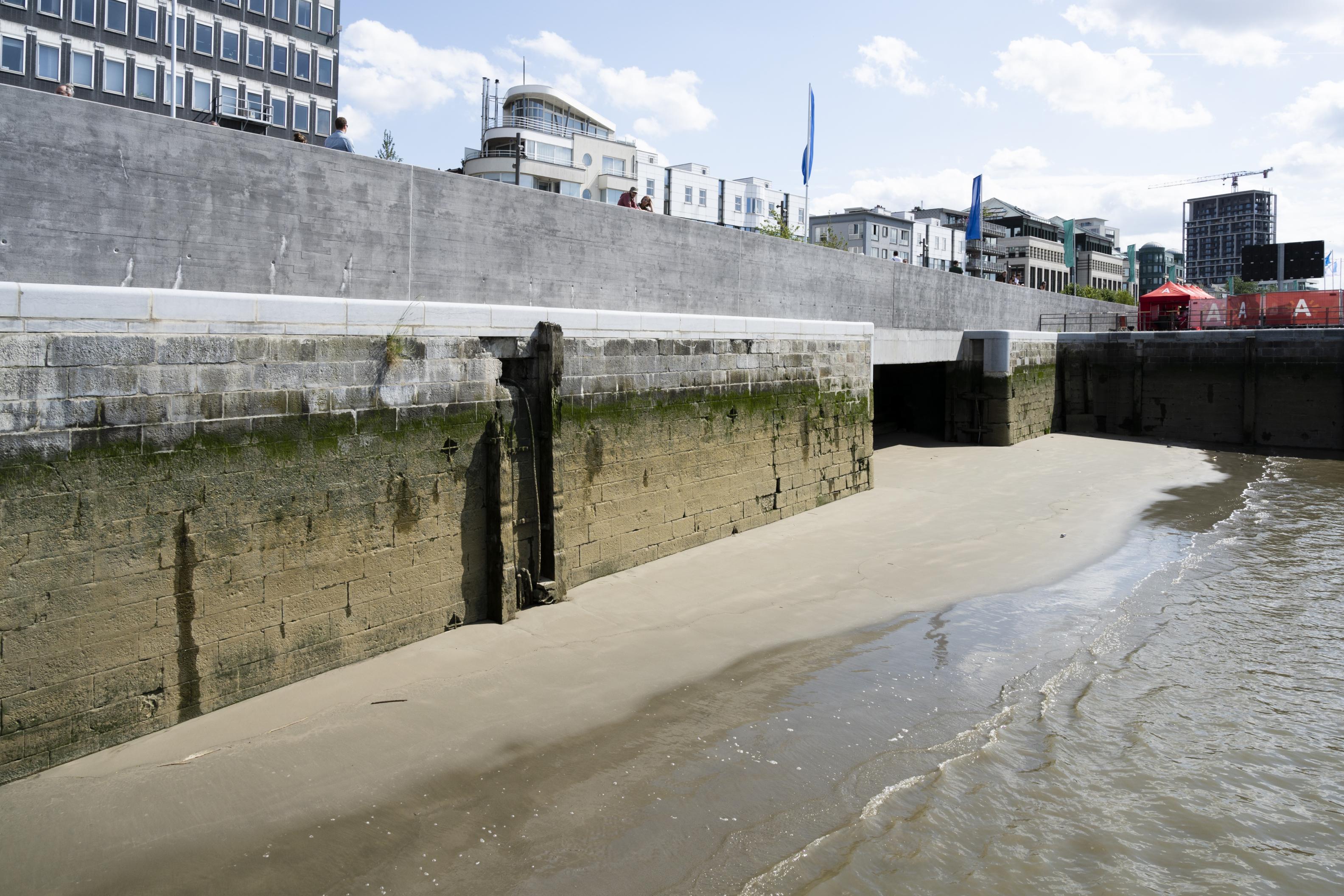
As early as 1883, engineers noticed that parts of the quay wall were subsiding towards the Scheldt. This precarious balance was caused by the Boom clay beneath the wall's foundation and the pressure of the groundwater. Over the past 130 years, structural engineers have developed various solutions, all of which proved inadequate. De Vlaamse Waterweg nv worked on a permanent solution to the unstable quay wall as part of the Sigma Plan.
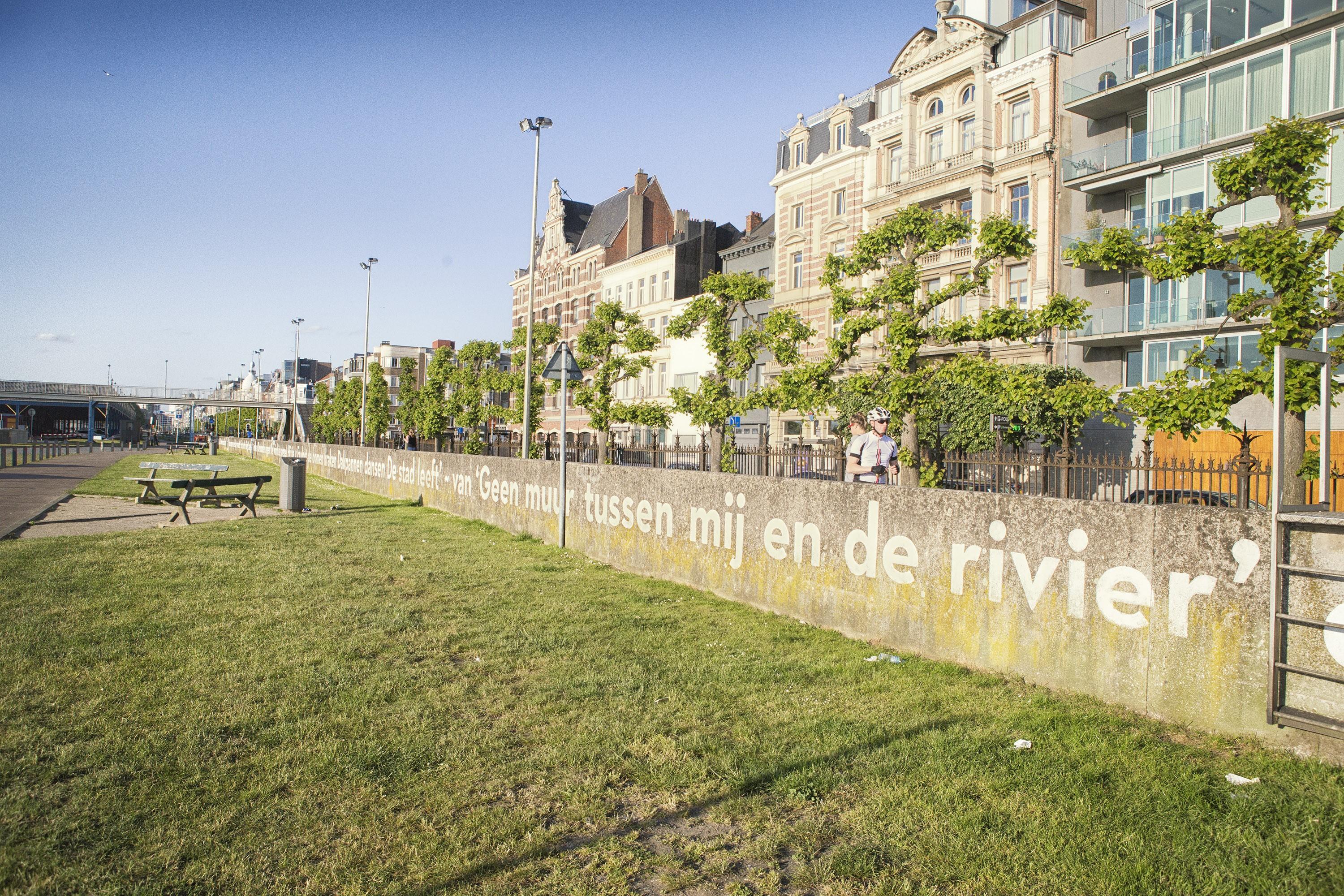
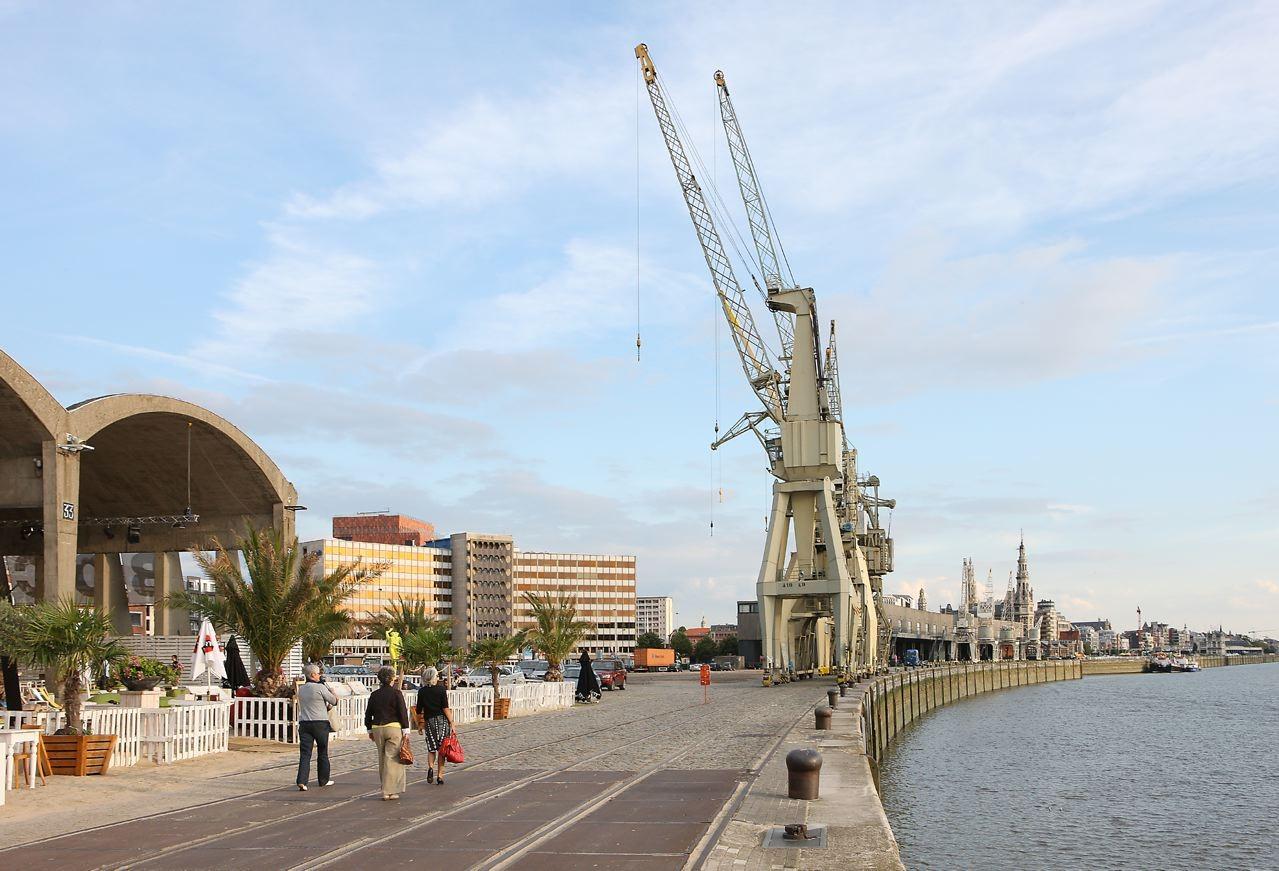
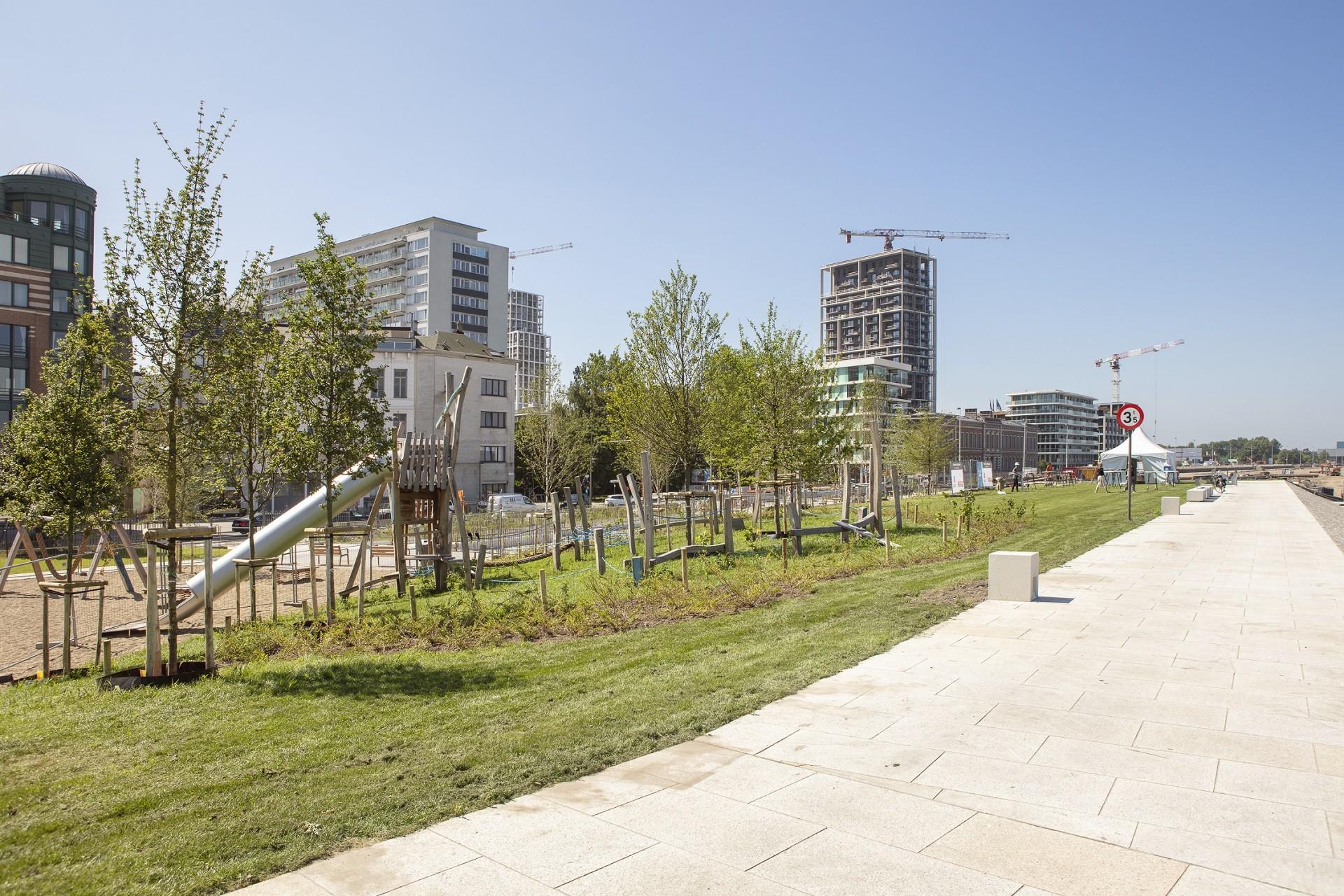
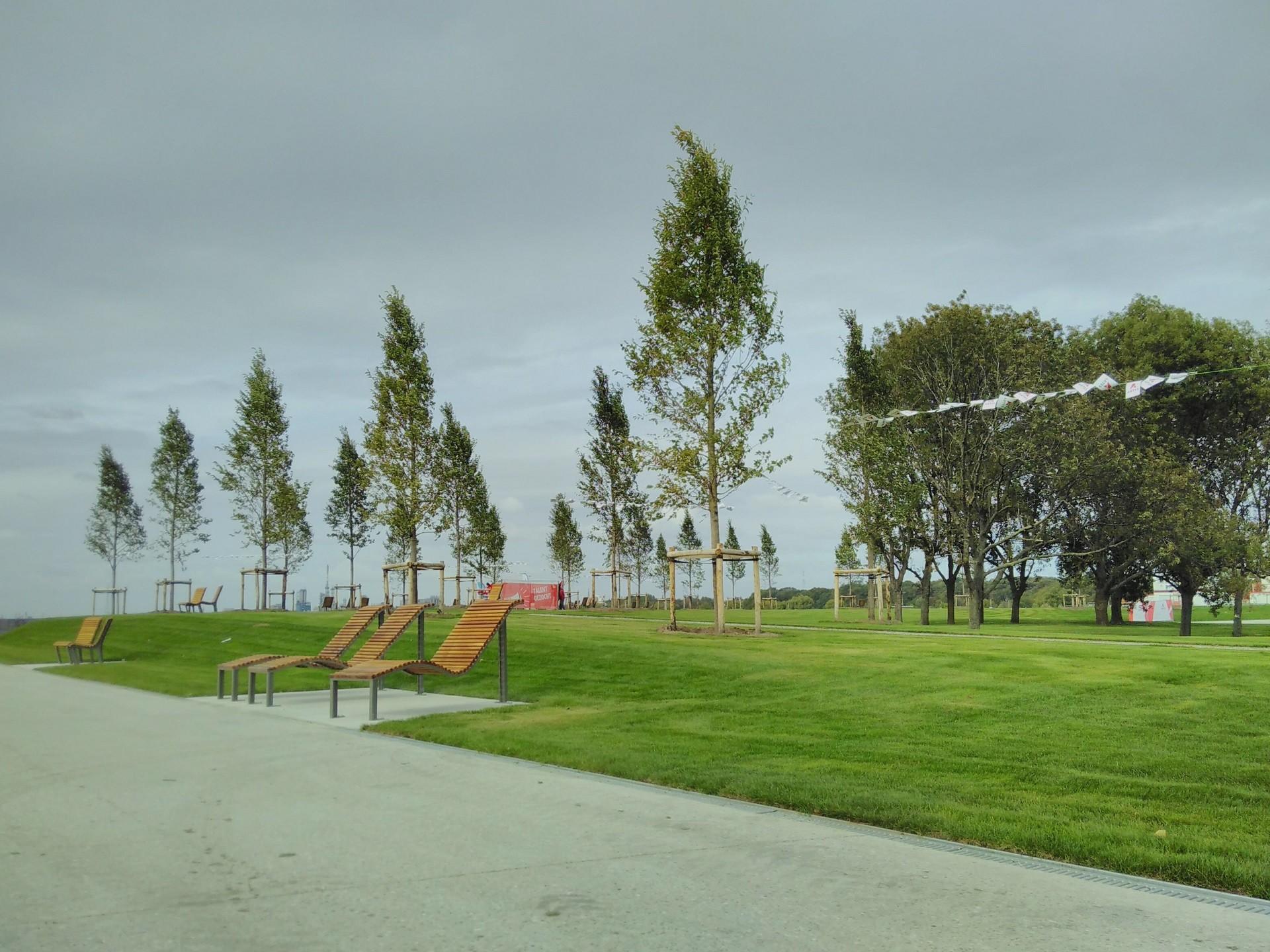
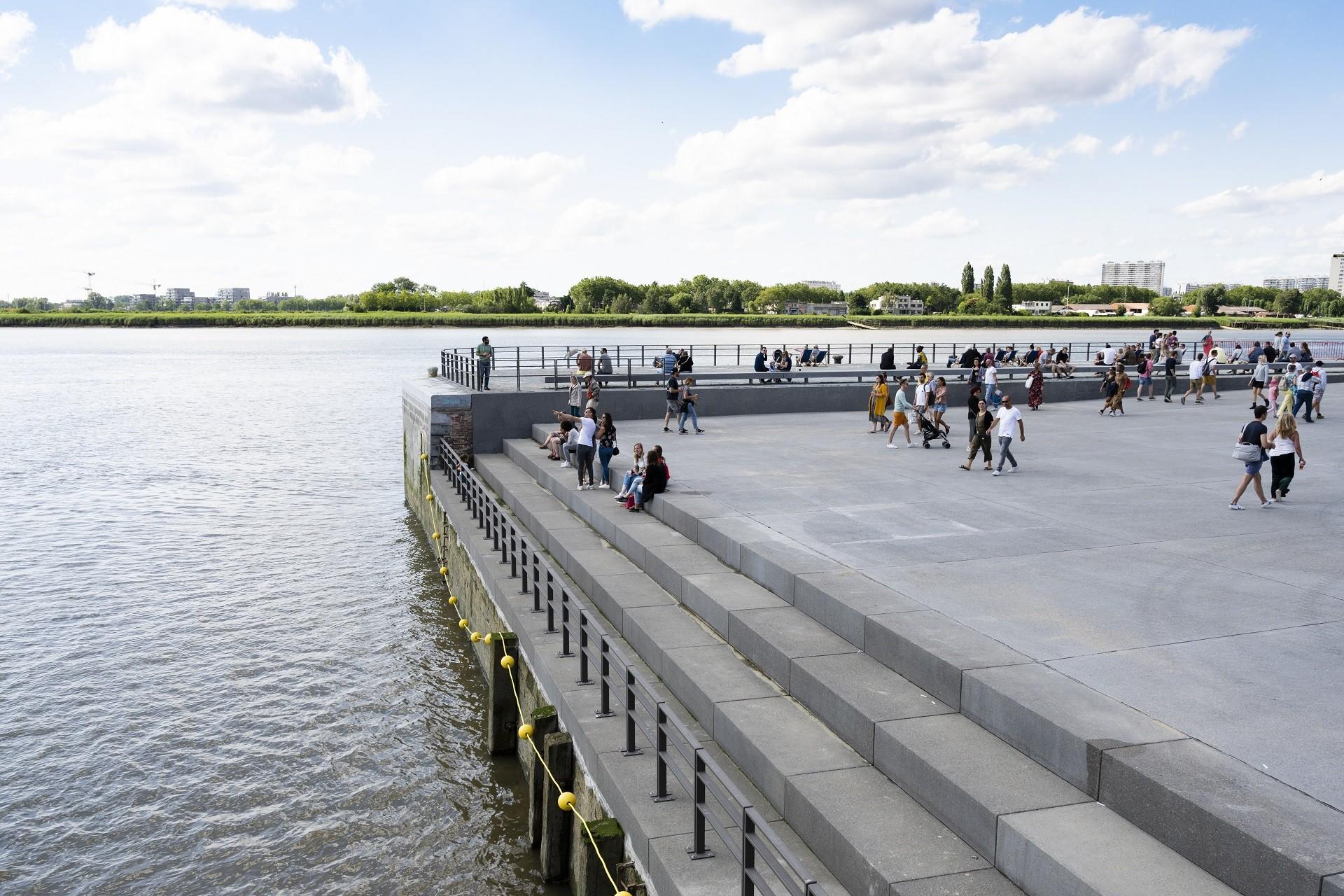
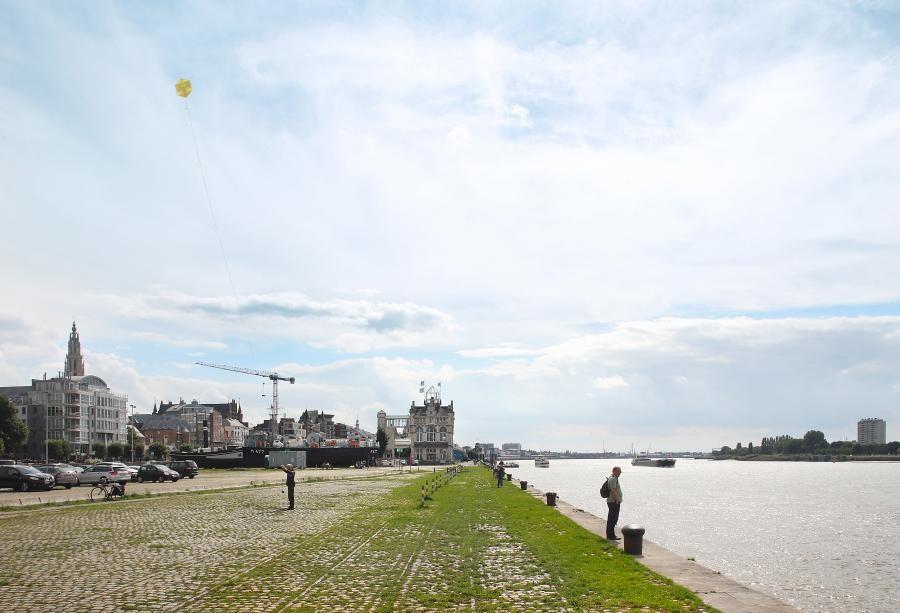
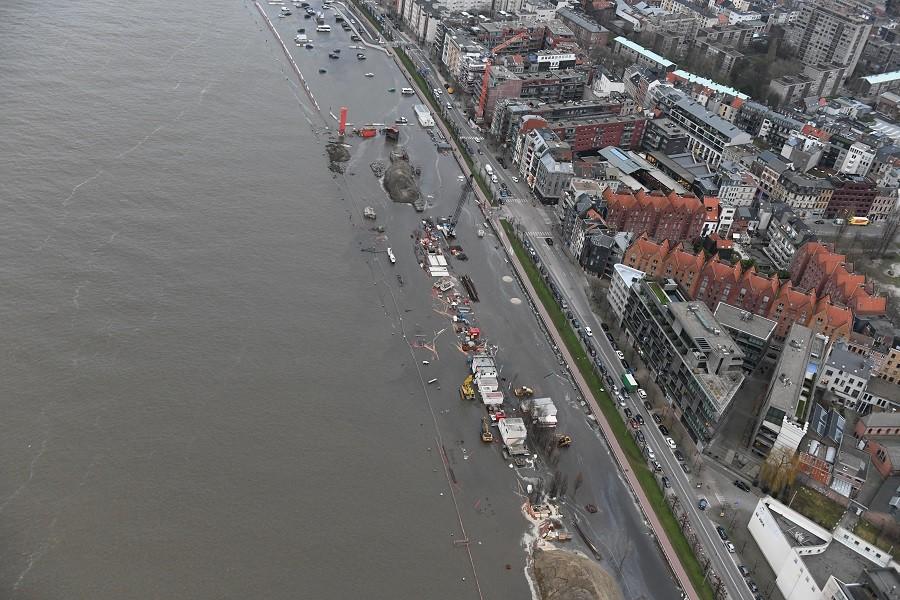
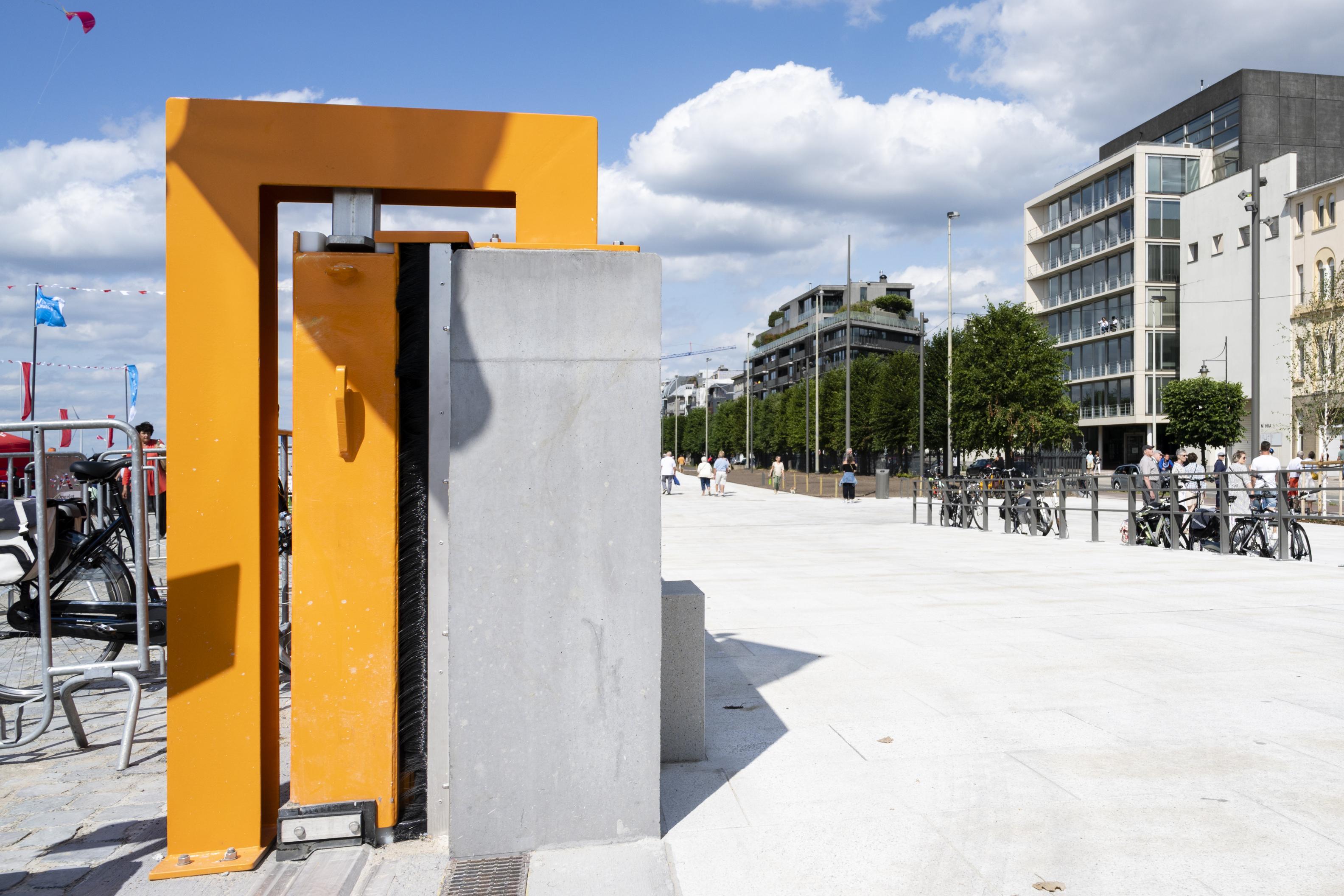
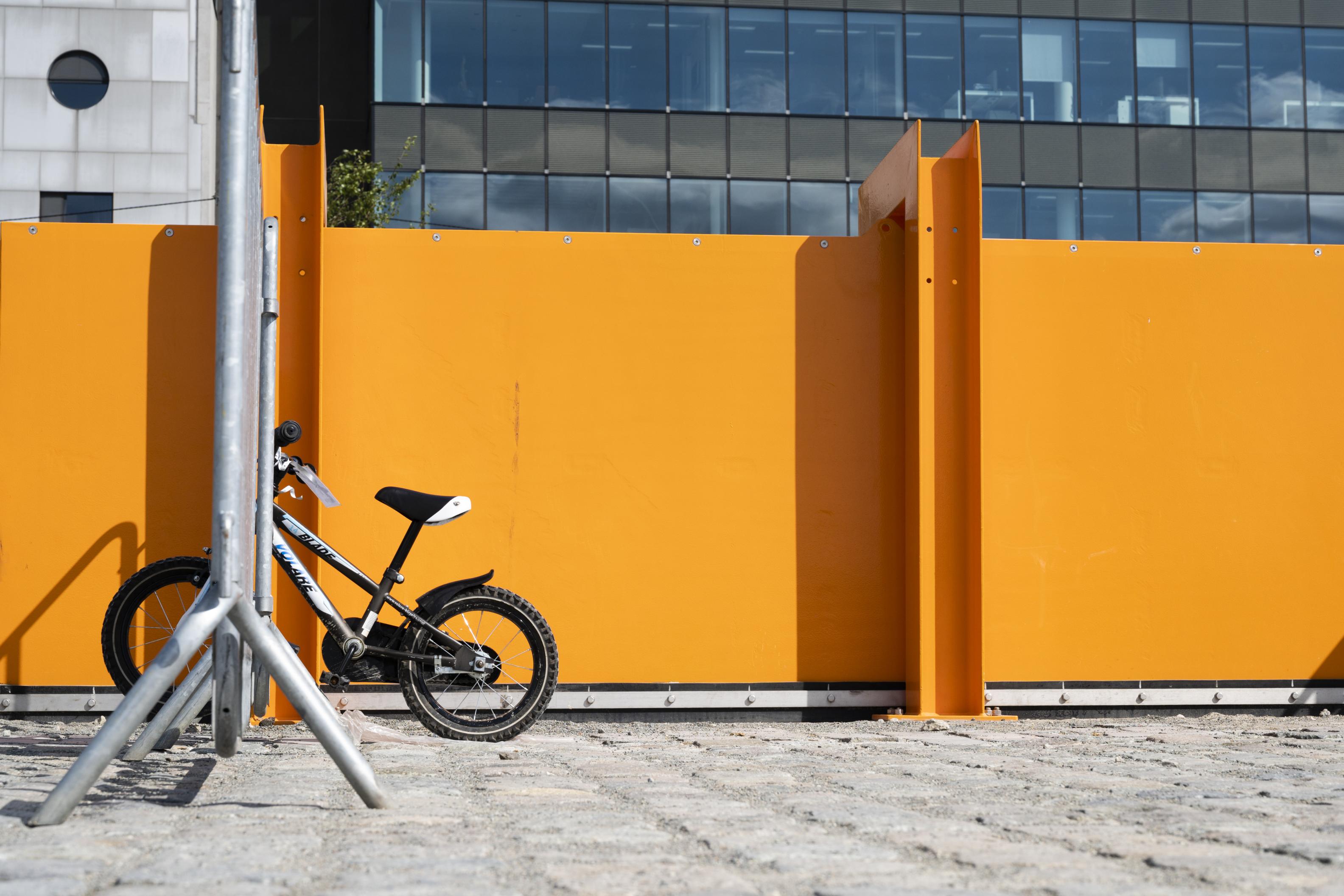
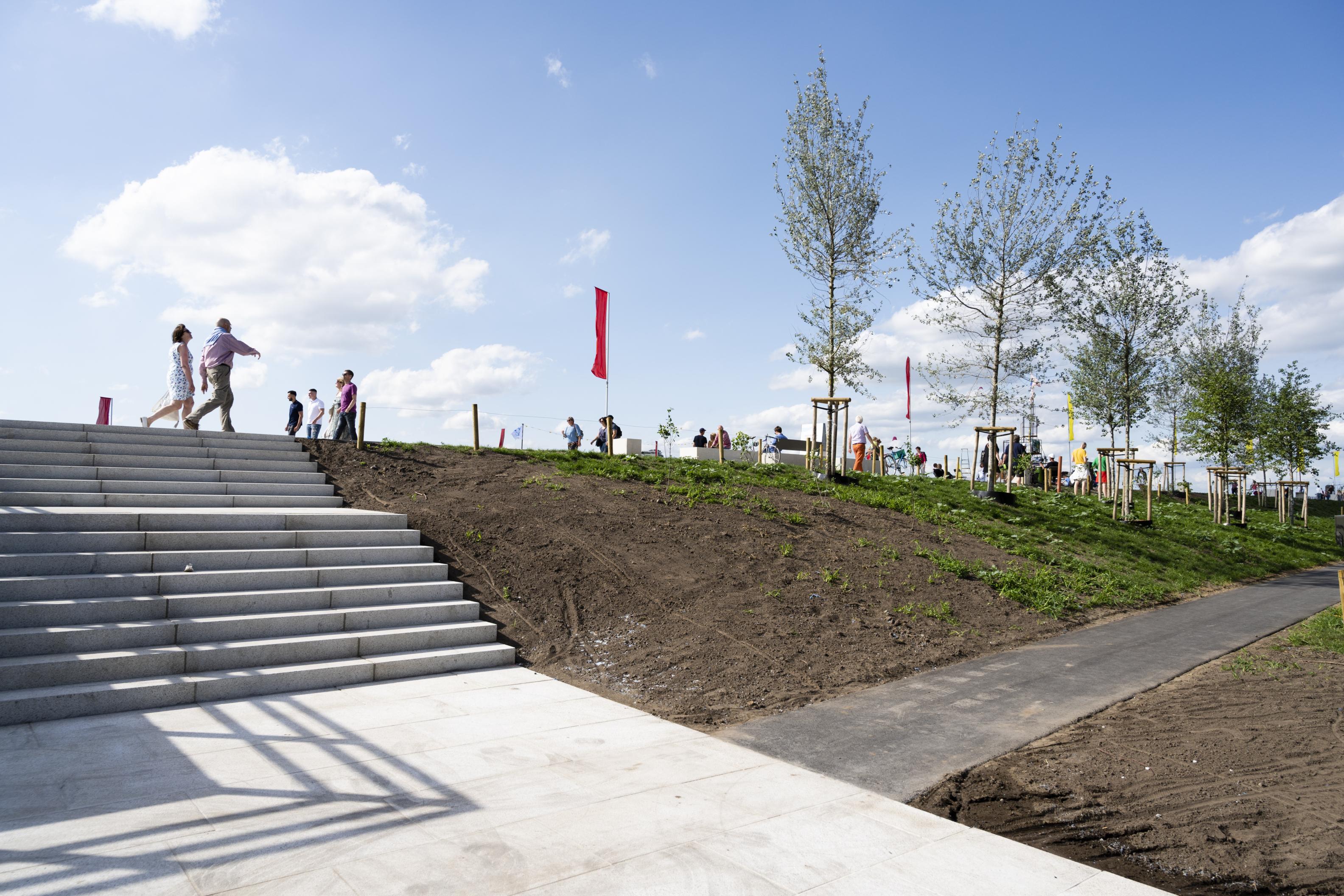
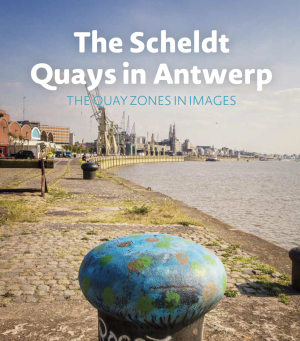
The Scheldt Quays always flood during heavy storm surges. Antwerp is very prone to flooding due to its location on the Scheldt. In the wake of the Gale of January 1976, a water barrier was built: a concrete wall 5.5 kilometres long and 1.35 metres high. Climate change and sea level rises have made it necessary to raise that water barrier by 90 centimetres. This will be done once the quay wall has been stabilised. The primary function of the water barrier is flood protection, but it obviously also affects the aesthetic of the quays. We are therefore combining these works as much as possible with the redevelopment of the quay plain.